In-Depth Exploration of Inner Ear Anatomy and Functionality
Discovering the Structure and Essential Functions of the Cochlea
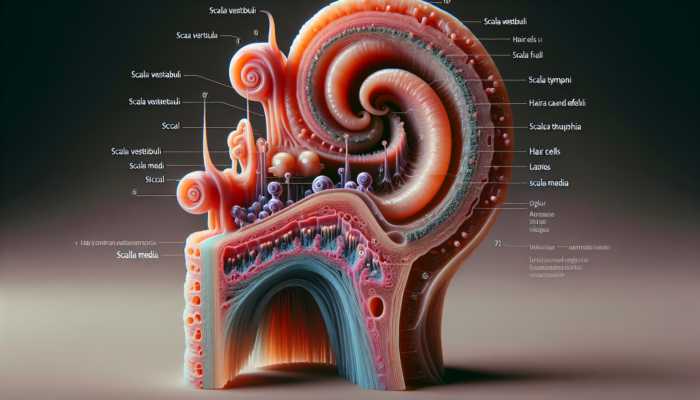
The cochlea is an extraordinary spiral-shaped organ located in the inner ear, which is integral to our capacity to perceive sound. This complex structure is responsible for converting sound vibrations into electrical signals, which are then relayed to the brain for interpretation. This transformation is essential for us to enjoy and understand the subtleties of sound. The cochlea is comprised of three main chambers: the scala vestibuli, scala tympani, and scala media, each filled with fluid and covered in specialized hair cells that respond to auditory waves. As sound enters the cochlea, it triggers pressure waves that move through these fluids, bending the hair cells and generating electrical impulses sent to the auditory nerve for sound interpretation.
A thorough comprehension of cochlear anatomy not only emphasizes its vital functions but also highlights its susceptibility. The fragile hair cells within the cochlea can suffer damage from multiple factors, including aging, prolonged exposure to loud sounds, and specific health conditions, leading to hearing loss. Studies indicate that exposure to noise levels exceeding 85 decibels can cause noise-induced hearing loss, a prevalent risk encountered in many environments worldwide, ranging from concerts to busy urban streets. Thus, raising awareness about safe listening practices is critical to preserving cochlear health, enabling individuals around the globe to appreciate the rich variety of soundscapes life presents.
Comprehending the Vestibular System’s Role in Balance Maintenance
The vestibular system, located within the inner ear, is crucial for maintaining balance and spatial orientation. This system consists of intricate structures, primarily the semicircular canals and otolith organs, that work together to detect head movements and shifts in body position. The semicircular canals are specifically designed to sense angular motion, while the otolith organs effectively detect linear movements and the force of gravity. The information provided by these structures is vital for everyday activities, ranging from walking and running to more complex movements such as dancing or engaging in sports.
The global significance of the vestibular system is apparent in numerous contexts. For example, athletes participating in sports like gymnastics or figure skating rely heavily on their vestibular sense to maintain balance and execute precise movements. Likewise, individuals residing in areas with varied topography, such as mountainous regions, must navigate challenging landscapes, making a well-functioning vestibular system essential for safety and mobility. Disorders that impair this system can lead to symptoms like dizziness or imbalance, which can greatly affect an individual’s quality of life and daily activities.
Analyzing the Auditory Nerve’s Essential Role in Sound Transmission
The auditory nerve serves as a crucial conduit for transmitting sound information, carrying electrical signals from the cochlea to the brain, where these signals are interpreted as sound. This nerve is a fundamental part of the central nervous system, enabling the intricate experience of hearing. The seamless connection between the cochlea and the auditory cortex ensures that even the most intricate auditory experiences—ranging from a symphony to the soft rustle of leaves or the voice of a loved one—are perceived with clarity and precision.
However, various conditions affecting the auditory nerve can lead to significant challenges, including hearing loss and auditory processing disorders. Individuals worldwide face numerous threats to their auditory health, from exposure to industrial noise in urban environments to untreated ear infections in rural areas. Recent advancements in medical technology, including the introduction of cochlear implants, represent groundbreaking solutions for those suffering from severe hearing impairments, allowing them to reconnect with the auditory world in transformative ways that were once deemed impossible.
In-Depth Study of Outer Ear Anatomy and Its Functions
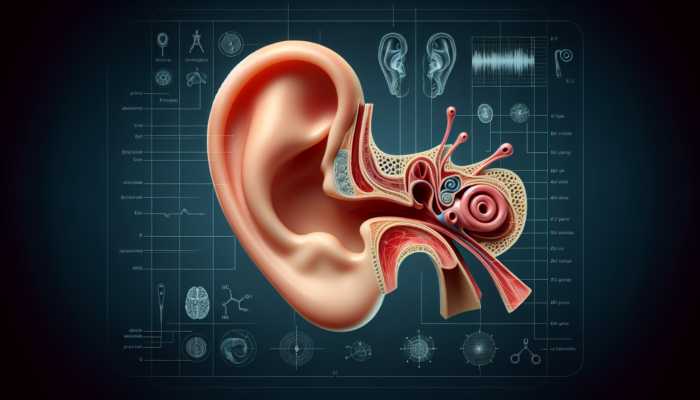
Examining the Pinna’s Vital Function in Sound Collection
The pinna, also known as the auricle, forms the outermost part of the ear and plays a crucial role in capturing sound waves from the environment. Its unique shape functions as a funnel, channeling sound waves into the ear canal. The distinct contours and folds of the pinna not only aid in effective sound collection but also enhance our ability to discern the direction of sounds, a vital aspect of auditory perception.
Globally, the anatomical design of the pinna shows variations among different populations, shaped by evolutionary and environmental factors. For instance, individuals inhabiting densely wooded areas might exhibit slightly different ear shapes compared to those from open plains. These adaptations highlight the intricate relationship between anatomy and environmental influences, underscoring the importance of understanding such variations within fields like anthropology and audiology. Furthermore, congenital ear deformities can significantly affect sound collection and localization, emphasizing the need for customized auditory solutions worldwide.
Diving into the Structure and Function of the Ear Canal
The ear canal is a tubular structure extending from the pinna to the eardrum, playing a vital role in sound transmission. This passage channels sound waves while amplifying them before they reach the eardrum, thus enhancing auditory perception. The unique shape and length of the ear canal are specifically tailored to optimize sound amplification, ensuring even the faintest sounds are effectively detected.
An intriguing feature of the ear canal’s structure is its protective function. The canal is lined with skin that produces cerumen, commonly known as earwax, serving multiple purposes: trapping dust, debris, and microorganisms while creating a barrier against infections. Globally, earwax impaction is a widespread issue, with individuals from various backgrounds experiencing discomfort and temporary hearing loss as a result. Awareness campaigns promoting ear health and proper cleaning techniques can help alleviate these issues, ensuring the ear canal remains an effective conduit for sound transmission.
Grasping the Critical Role of the Eardrum in Sound Transmission
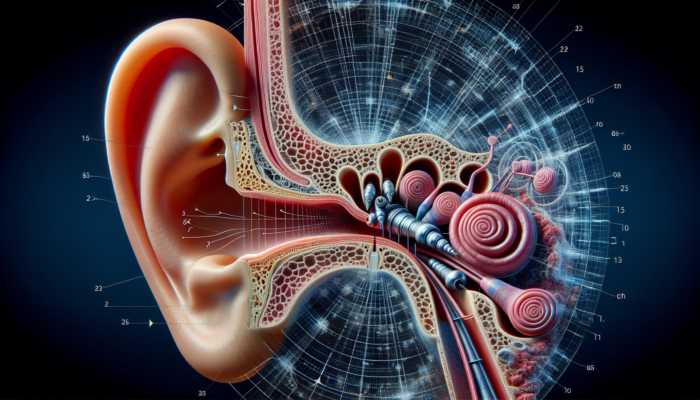
The eardrum, referred to as the tympanic membrane, is a delicate yet resilient structure that vibrates in response to sound waves. This vibration is essential as it converts acoustic energy into mechanical energy, which is then transmitted to the middle ear. The eardrum’s sensitivity is remarkable, allowing it to respond to a wide range of frequencies, enabling us to perceive sounds from a soft whisper to the powerful crescendo of a concert.
Globally, the health of the eardrum is crucial; various factors such as exposure to loud sounds, ear infections, and physical trauma can compromise its integrity. For example, barotrauma—which occurs due to sudden pressure changes during air travel—can lead to eardrum perforation, resulting in pain and hearing loss. Awareness and preventive measures, such as using earplugs during flights or swimming, are vital for protecting this essential component of hearing. The eardrum’s role in sound transmission is indispensable, serving as the gateway to the middle ear and beyond.
Investigating the Complex Anatomy of the Pinna
The anatomy of the pinna is intricate, primarily composed of cartilage covered by skin. Its unique shape, characterized by various folds and depressions, significantly contributes to sound localization and collection. These anatomical features enhance our ability to distinguish between sounds originating from different directions, a skill that is critical for survival and interaction within our environment.
This anatomical diversity is particularly fascinating when examining populations worldwide. Certain cultures may have developed distinct modifications to the pinna for aesthetic reasons or to enhance auditory capabilities in particular contexts. Additionally, congenital deformities of the pinna can impact sound perception, leading to a deeper understanding of how ear anatomy correlates with hearing ability. This knowledge is invaluable for creating effective interventions for auditory impairments, ensuring that individuals can fully engage with their auditory environments.
Understanding the Protective Features of the Ear Canal
The design of the ear canal serves not only to transmit sound but also to act as a protective barrier against foreign objects and debris. The skin lining the ear canal produces earwax, which functions as a natural defense mechanism. This substance traps dust, foreign particles, and microorganisms, preventing them from reaching the eardrum and reducing the likelihood of infections. Additionally, earwax helps keep the skin of the ear canal moisturized, preventing dryness and irritation.
Globally, earwax impaction is a prevalent issue that affects many individuals. Excessive wax buildup can lead to discomfort, reduced hearing, and even tinnitus. Raising awareness about ear hygiene practices, such as avoiding cotton swabs that can push wax deeper into the canal, is critical. Furthermore, understanding cultural practices related to ear care can inform health interventions. Recognizing the balance between natural ear protection and the necessity for hygiene is essential for maintaining auditory health across the globe.
Exploring the Essential Functions of the Inner Ear
How the Hearing Mechanism Converts Sound Waves into Perceptible Sounds
The primary function of the inner ear revolves around the intricate hearing mechanism that converts mechanical sound waves into electrical signals. This process begins when sound waves enter the cochlea, inducing fluid movements. These movements are crucial for bending the hair cells located along the basilar membrane within the cochlea. As these hair cells bend, they generate electrical impulses that traverse the auditory nerve to the brain, where they are decoded as distinct sounds.
The efficiency of this hearing mechanism is vital for effective communication and interaction across various settings, whether enjoying music in a concert hall or engaging in conversation within a busy café. Variations in hearing ability among individuals can arise from genetic factors, exposure to environmental noise, or lifestyle choices, each influencing how sound is perceived. Globally, many individuals experience hearing impairments that can affect their social lives and professional opportunities, highlighting the need for accessible hearing health services and education.
The Vestibular System’s Integral Contribution to Balance and Equilibrium
The vestibular system within the inner ear showcases remarkable anatomical engineering, playing a critical role in maintaining balance and equilibrium. By continuously monitoring head position and movement through the semicircular canals and otolith organs, this system provides the brain with essential information for sustaining stability. When we turn our heads or move our bodies, the fluid within these canals shifts, stimulating hair cells that send signals to the brain about our orientation in space.
This ability to maintain balance is not only essential for athletes or dancers; everyday activities such as walking, climbing stairs, or even standing still heavily rely on our vestibular system. Globally, individuals engaged in occupations requiring physical agility—ranging from construction workers to dancers—must possess a keen sense of balance to perform their tasks safely. Additionally, conditions like vertigo or vestibular disorders can severely disrupt this function, underscoring the need for global awareness and understanding of vestibular health.
The Mechanism Behind Sound Localization: Determining Direction and Source
An often-overlooked function of the inner ear is its role in sound localization. The inner ear assists in determining the direction and source of sounds by analyzing the differences in timing and intensity of sound waves that reach each ear. This ability is crucial for navigating our environments, allowing us to respond swiftly to auditory cues.
For instance, in a bustling street, the capability to pinpoint the sound of a honking car or a friend calling from behind significantly enhances our spatial awareness and safety. This function is even more pronounced in the animal kingdom, where certain species can locate prey or predators using advanced auditory skills. Globally, understanding sound localization can inform technologies such as hearing aids and sound systems, enriching the auditory experience for individuals with hearing impairments.
Investigating the Functions of the Outer Ear
The Fundamental Role of Sound Collection in Hearing Mechanisms
The primary function of the outer ear lies in collecting and funneling sound waves into the ear canal. This collection process begins with the pinna, which captures sound from various directions and directs it toward the ear canal. The design and shape of the pinna are optimized for enhanced sound collection, maximizing our hearing capabilities, particularly in environments filled with competing sounds.
In diverse locations around the globe, the significance of sound collection extends beyond human communication; it is also critical in wildlife communication and survival. For instance, many animals depend on their outer ear structures to detect environmental sounds—whether it be a predator approaching or their mate calling. The evolutionary adaptations in ear shapes across different species illustrate the importance of sound collection in various ecological niches, further emphasizing the interconnectedness of auditory health.
The Mechanism of Sound Amplification in the Outer Ear
Sound amplification is a vital function of the outer ear, where the unique configuration of the ear canal enhances the volume of sound waves before they reach the eardrum. This amplification enables even the faintest sounds to become audible, contributing to our rich auditory experiences. The ear canal functions like a resonator, boosting specific frequencies of sound, thereby facilitating the perception of speech or musical notes.
In various cultures, the ability to hear well is often celebrated, from traditional music to oral storytelling, reflecting the deep-rooted significance of sound amplification in social interactions. Understanding how sound amplification operates can also inform the design of hearing aids and other auditory technologies. For individuals with hearing impairments, grasping the mechanics of sound amplification can lead to better management of their auditory health.
The Protective Functions of the Outer Ear Against Debris and Infections
The outer ear, including the ear canal, serves as a protective barrier against foreign objects and debris entering the ear. The skin lining the ear canal produces earwax, which traps dust, debris, and microorganisms, preventing them from reaching the delicate structures deeper within the ear. This natural defense mechanism is essential for maintaining ear health and preventing infections.
Globally, awareness of ear protection is crucial, particularly in environments with high levels of dust, pollution, or water exposure, such as during swimming. Engaging in preventive measures, such as using earplugs in noisy environments or maintaining proper ear hygiene, can help individuals sustain healthy ears. Understanding the protective functions of the outer ear encourages people worldwide to prioritize ear health and take proactive measures against potential auditory threats.
The Role of the Outer Ear in Sound Localization and Direction Detection
The outer ear also plays a significant role in sound localization, aiding in the determination of the source and direction of sounds. The shape of the pinna, combined with the timing and intensity of sounds reaching each ear, allows us to accurately locate where a sound originates—an essential skill for survival and interaction in our environment.
This ability is particularly evident across various global contexts, such as in urban environments where discerning sounds is vital for safety. For example, recognizing the direction of approaching emergency vehicles or identifying familiar voices in crowded spaces relies on effective sound localization. Enhancing our understanding of sound localization can also improve auditory technologies, enriching experiences for individuals with hearing impairments and contributing to safer environments overall.
Common Disorders Impacting the Inner Ear
Exploring the Mechanisms Behind Sensorineural Hearing Loss
Sensorineural hearing loss is a widespread condition resulting from damage to the hair cells of the inner ear or the auditory nerve. This type of hearing loss typically presents as difficulty in hearing soft sounds or distinguishing speech against background noise. Various factors contribute to sensorineural hearing loss, including the natural aging process, exposure to loud sounds, and certain medical conditions, such as ototoxicity caused by specific medications.
Globally, this condition affects millions, creating barriers to effective communication and social interactions. Awareness initiatives focused on promoting hearing protection in noisy environments, such as concerts or industrial workplaces, are crucial in preventing this type of hearing loss. Additionally, advancements in hearing aids and cochlear implants provide individuals experiencing sensorineural hearing loss with opportunities to regain access to sound, underscoring the ongoing need for innovation in auditory healthcare.
Investigating the Complexities of Ménière’s Disease
Ménière’s disease is a complex inner ear disorder characterized by episodes of vertigo, hearing loss, and tinnitus. This condition is believed to be linked to fluid accumulation in the inner ear, disrupting both balance and hearing. The unpredictable nature of Ménière’s disease can significantly affect an individual’s quality of life, often leading to anxiety and social withdrawal.
Globally, raising awareness and understanding of Ménière’s disease is essential for effective diagnosis and management. Educational initiatives can help individuals recognize symptoms early and encourage them to seek medical attention. Treatment options vary, ranging from lifestyle adjustments and dietary changes to medical interventions, highlighting the importance of personalized care strategies for managing this condition and enhancing overall well-being.
Understanding Vestibular Neuritis: Causes, Symptoms, and Effects
Vestibular neuritis is an inner ear disorder characterized by sudden and intense vertigo due to inflammation of the vestibular nerve. This condition often follows a viral infection and can significantly disrupt balance and spatial awareness. Individuals may experience severe spinning sensations, nausea, and challenges in performing daily activities.
Globally, vestibular neuritis emphasizes the intricate connection between viral infections and inner ear health. Understanding this correlation can inform public health initiatives aimed at preventing viral illnesses and their potential complications. While vestibular neuritis is typically self-limiting, targeted rehabilitation therapy can assist individuals in regaining balance and minimizing the long-term impact on their daily lives.
Common Disorders Affecting the Outer Ear
Understanding Otitis Externa: The Reality of Swimmer’s Ear
Otitis externa, commonly referred to as swimmer’s ear, denotes an infection or inflammation of the outer ear canal. This condition often occurs when water becomes trapped in the ear after swimming, creating an environment conducive to bacterial growth. Symptoms may include itching, redness, and pain, causing discomfort for those affected.
Globally, otitis externa is prevalent among swimmers and individuals involved in water sports. Preventive measures, such as keeping the ears dry and using earplugs, can significantly decrease the likelihood of developing this condition. Moreover, awareness of proper ear hygiene practices is essential in minimizing the occurrence of otitis externa and promoting overall ear health.
Examining Earwax Impaction: Causes, Effects, and Solutions
Earwax impaction occurs when excessive earwax accumulates in the ear canal, leading to blockage and potential hearing loss. While earwax serves a protective function, overproduction can result in discomfort, tinnitus, and difficulties in hearing. Factors contributing to earwax impaction include the use of cotton swabs, which can inadvertently push wax deeper into the canal.
Globally, earwax impaction is a common issue that affects individuals across various cultures. Education on proper ear hygiene practices, including avoiding cotton swabs and seeking professional cleaning when necessary, can aid in addressing this problem. Understanding the balance between maintaining ear health and preventing impaction is crucial for all individuals.
Understanding Auricular Hematomas in Athletes
An auricular hematoma is a pooling of blood between the cartilage and skin of the pinna, typically resulting from trauma or blunt force injury. This condition is especially common in contact sports, where athletes face a heightened risk of ear injuries. If left untreated, auricular hematomas can result in permanent deformities known as “cauliflower ear.”
Globally, awareness of auricular hematomas within athletic contexts is vital for preventing injuries and ensuring proper treatment. Preventive measures, such as wearing protective headgear during contact sports, can considerably reduce the risk of developing auricular hematomas. Prompt medical intervention is crucial for managing this condition and preserving the aesthetic and functional integrity of the ear.
Exostoses and Osteomas: Understanding Benign Bone Growths in the Ear Canal
Exostoses are benign bone growths in the ear canal, often linked to prolonged exposure to cold water, while osteomas are similar growths that can obstruct the ear canal and affect hearing. Both conditions are more frequently observed in individuals who participate in water sports, particularly surfers and swimmers.
Globally, awareness and understanding of these conditions are crucial for individuals engaged in aquatic activities. Regular check-ups with healthcare professionals can facilitate early detection and treatment, preventing complications arising from exostoses and osteomas. Educating on the necessity of ear protection while swimming or surfing can be instrumental in preserving ear health for aquatic enthusiasts.
Diagnostic Approaches for Inner Ear Disorders
The Importance of Hearing Tests in Diagnosing Ear Conditions
Hearing tests, such as audiometry, are essential diagnostic tools for evaluating inner ear disorders. These tests assess an individual’s ability to hear a variety of frequencies and sound intensities, aiding in identifying the type and extent of hearing loss. Professionals administer these tests in controlled environments to ensure accurate results for effective diagnosis.
Globally, early detection through routine hearing tests is vital for addressing hearing impairments. Recognizing the importance of regular hearing assessments can lead to timely interventions, enhancing overall auditory health. Recent advancements in telehealth technology have broadened access to hearing tests, enabling individuals in remote areas to obtain necessary evaluations.
Comprehensive Balance Testing for Evaluating Vestibular Function
Balance tests, including vestibular function tests, assess the performance of the vestibular system within the inner ear. These tests evaluate how well the body maintains balance and reacts to changes in head position. Various protocols, such as posturography tests or caloric testing, assist in identifying vestibular disorders that may contribute to dizziness and balance issues.
Globally, balance tests play a crucial role in diagnosing conditions such as vestibular neuritis and Ménière’s disease. Awareness of the importance of balance assessments can encourage individuals experiencing dizziness to seek medical advice, leading to effective management strategies. With the increasing focus on balance-related health, particularly in the aging population, these tests are becoming increasingly vital for ensuring safe and active lifestyles.
Utilizing Imaging Techniques for Accurate Diagnosis of Ear Disorders
Imaging techniques, such as MRI and CT scans, are invaluable for diagnosing intricate inner ear disorders. These advanced imaging modalities allow healthcare professionals to visualize the structures of the inner ear, assisting in identifying abnormalities like tumors or malformations that may impact hearing and balance.
Globally, accessibility to imaging technologies has improved diagnostic accuracy and timely management of inner ear disorders. Awareness of available imaging options can motivate individuals to pursue comprehensive evaluations, facilitating effective treatment plans. As technology advances, incorporating imaging techniques into routine diagnostic protocols will enhance our understanding of inner ear health around the world.
Endoscopy: A Minimally Invasive Diagnostic Technique
Endoscopy is a minimally invasive diagnostic procedure used to visualize the inner ear and assess its structures. This technique allows healthcare professionals to directly examine the ear canal and eardrum, enabling accurate diagnosis and treatment of various conditions.
Globally, the application of endoscopic techniques in ear examinations has increased, improving patient outcomes through comprehensive assessments. Understanding the advantages of endoscopy can empower individuals to seek timely medical intervention for ear-related concerns. As technological advancements progress, endoscopy may play a pivotal role in the future of ear health diagnostics and management.
The Significance of Genetic Testing in Understanding Inner Ear Disorders
Genetic testing is an emerging diagnostic tool aimed at understanding hereditary inner ear disorders. By identifying genetic mutations linked to conditions such as Usher syndrome or otosclerosis, healthcare professionals can offer more personalized care and management strategies for affected individuals and their families.
Globally, integrating genetic testing into healthcare systems can enhance our understanding of the genetic basis of hearing loss and inform treatment options. Raising awareness about the availability of genetic testing may encourage individuals with a family history of hearing disorders to pursue evaluations, paving the way for targeted interventions and improved outcomes.
Commonly Asked Questions Related to Ear Health
What are the key differences between the inner ear and the outer ear?
The inner ear is responsible for converting sound vibrations into electrical signals and for maintaining balance, while the outer ear functions to collect and funnel sound waves into the ear canal for amplification.
Do disorders affecting the inner ear also impact balance?
Yes, disorders that impact the inner ear, such as vestibular neuritis or Ménière’s disease, can significantly disrupt balance and spatial awareness, resulting in dizziness and instability.
What is the cochlea’s role in the hearing process?
The cochlea transforms sound vibrations into electrical signals through its intricate fluid-filled structure, allowing the brain to perceive sound accurately and distinctly.
How does earwax help protect the ear?
Earwax acts as a natural barrier, trapping dust, debris, and microorganisms, preventing them from reaching the eardrum and diminishing the risk of infections.
What are common symptoms of sensorineural hearing loss?
Common symptoms include difficulty in hearing faint sounds, challenges in understanding speech in noisy environments, and a noticeable decline in sound clarity.
What preventive measures can be taken to avoid otitis externa?
To prevent otitis externa, it is crucial to keep ears dry after swimming, avoid inserting objects into the ear canal, and use earplugs when swimming in potentially contaminated water.
Why is sound localization significant for individuals?
Sound localization is essential for spatial awareness, enabling individuals to determine the source and direction of sounds, which is vital for safety and social interaction.
How can vestibular disorders be effectively managed?
Vestibular disorders may be treated through physical therapy, medications, or lifestyle changes aimed at alleviating symptoms and restoring balance.
When should one seek medical attention for ear-related issues?
Seek medical attention if experiencing persistent pain, hearing loss, dizziness, or any unusual symptoms affecting your ears or balance.
Are genetic factors significant in the context of hearing loss?
Yes, genetic factors can contribute to hearing loss, and genetic testing may provide insights into hereditary conditions that affect auditory health.
Follow our journey on X!
The post Inner Ear vs. Outer Ear: Essential Differences Explained appeared first on The Microsuction Ear Wax Removal Network.
Originally posted 2025-04-21 03:11:44.
The post Inner Ear vs Outer Ear: Key Differences Uncovered appeared first on Healthcare Marketing Service.