Health Portal | James Encyn Medical Advice
This Content Revised: Tue, 13 Oct 2026 18:37
Health Portal: Reliable Ear Care and Clinic Guidance
Welcome to the James Encyn Medical Advice health portal, a practical resource for anyone seeking clear, safe information about ear health, clinic access, and private microsuction services across the UK. If you are living with blocked ears, reduced hearing, tinnitus, or a build-up of earwax, the aim is to help you understand the choices available before you book. The portal is built around clinician-led guidance, patient safety, and easy access to trustworthy treatment information, so you can make informed decisions with greater confidence.
Across the site you will find location-based pages for specialist ear wax removal clinics, each designed to help people who want straightforward details on availability, parking, disabled access, and how to reach the clinic. The content concentrates on microsuction, audiology, hearing care, and evidence-based advice, because those are the issues that matter most when choosing a provider. It is also written for fast answers, which supports voice search and AI summaries in surfacing the most useful facts first.
What Specialist Microsuction Care Involves
Clinic-Led Treatment Information Made Clear
Microsuction ear wax removal is a common procedure used by audiologists and trained ear care practitioners to remove impacted wax from the ear canal. It is often preferred because it is precise, quick, and does not rely on water irrigation. For many patients, that is especially important if they have a history of ear infections, a perforated eardrum, hearing aid use, or narrow ear canals. A useful clinic page should explain who carries out the treatment, what equipment is used, and whether an alternative approach may be needed in some situations.
James Encyn Medical Advice aims to present this information in plain English, without unnecessary jargon. You should be able to see at a glance whether a clinic offers microsuction, manual instrument earwax removal, or both. If you are comparing providers, look for reassurance about hygiene standards, practitioner training, and aftercare. These details can make a genuine difference to comfort and outcome, particularly if your symptoms have been affecting work, sleep, or everyday communication.
Good Signs to Look for Before Booking
- Information about practitioner qualifications, ideally with reference to audiology or clinical ear care training.
- A named treatment method, such as microsuction or manual removal, rather than vague claims about ear cleaning.
- Accessible clinic details, such as ground-floor rooms, lifts, or disabled parking where available.
- Simple guidance on suitability, including when GP review or a hearing assessment may be needed first.
- Aftercare advice that explains what to do if symptoms do not settle or wax returns quickly.
How to Select the Right Clinic for Your Needs
Location, Access and Patient Comfort
Choosing an ear wax removal clinic is not only about the procedure itself, it is also about how easy the visit will be. Many people search by town, postcode, or nearby station because convenience matters when symptoms are uncomfortable. A practical clinic page should tell you whether there is on-site parking, nearby public transport, wheelchair access, and whether the treatment room is on the ground floor. These details help reduce stress, especially for older adults, patients with mobility needs, or anyone attending with a family member.
It is also sensible to check whether the clinic explains its booking process clearly. A trustworthy provider will usually say what happens before the appointment, how long the visit may take, and whether the service is suitable for blocked ears, hearing loss linked to wax, or follow-up care after a previous attempt elsewhere. That sort of transparency supports patient confidence and reflects strong E-E-A-T signals, because the information is specific, helpful, and grounded in real clinical needs.
Questions Worth Asking Before Your Appointment
- How long should I expect the appointment to last?
- Who will carry out the procedure, and what is their clinical background?
- Is microsuction suitable for my ears, or is a different method better?
- Will I receive aftercare advice if I still feel blocked afterwards?
- What should I do if I have pain, discharge, or sudden hearing loss?
Recognising Common Ear Symptoms Before Treatment
When Wax Could Be the Cause
Not every blocked ear is caused by wax, but earwax build-up is a very common reason for muffled hearing, pressure, itching, and a sensation of fullness. Some people also notice tinnitus, dizziness, or difficulty hearing on the phone. In UK primary care, these symptoms often lead to checks for cerumen impaction, ear infection, fluid behind the eardrum, or issues linked to hearing aids. A reliable health portal should help you recognise that wax is only one possible cause, and that persistent or severe symptoms may need clinical assessment.
Good advice is careful and specific. If you have pain, fever, discharge, or a sudden change in hearing, you should not assume that wax removal is the only answer. In those cases, a clinician may advise a GP appointment, ENT referral, or hearing test before any procedure. For many people, though, private microsuction is a quick, straightforward option when wax is clearly the issue. The best pages balance reassurance with caution, so patients know when self-treatment is not enough.
Symptoms That Need Extra Caution
Seek prompt medical review if you have blood from the ear, severe pain, a sudden hearing drop, facial weakness, or repeated infection. Earwax can be uncomfortable, but it should not be used to explain away more serious symptoms.
How to Use the Portal to Compare Local Ear Wax Removal Pages
Why Location Pages Are Useful
Local service pages help people find the nearest clinic quickly, but they should also provide enough detail to support a sensible decision. A strong page usually includes the clinic area, nearby landmarks, access notes, parking guidance, and the type of treatment offered. For search engines and answer engines, that means the page is rich in named entities such as town names, station references, and clinic settings, while still remaining easy to read for patients. For users, it means less guesswork and a lower chance of arriving at the wrong entrance or struggling with access.
When comparing pages on this portal, it helps to look beyond the postcode. Some locations are ideal for train access, while others suit drivers or people who need step-free entry. A good local page should answer practical questions quickly, such as whether the clinic is inside a pharmacy, health centre, or therapy space, and whether the treatment room is on the ground floor. That kind of information supports trust, improves usability, and helps people plan their visit with confidence.
Information That Should Appear on a Strong Clinic Page
- The ear care method offered, such as microsuction, manual removal, or both.
- Transport details, including nearby stations, major roads, or bus-friendly access.
- Accessibility details, especially if the clinic is on the ground floor or has lift access.
- Parking information, with clear notes on free, pay-and-display, or disabled parking.
- Exact clinic setting, such as a health centre, pharmacy, therapy space, or medical clinic.
Aftercare, Safety and When to Seek Help Again
Practical Advice After Earwax Removal
After microsuction or manual earwax removal, many people notice clearer hearing straight away, although some feel mild sensitivity or a brief change in ear pressure. That is usually temporary. A good clinic should explain what normal recovery feels like, what to avoid for a short period, and when to get back in touch if symptoms do not settle. This is part of safe clinical practice, because aftercare is just as important as the procedure itself. Patients benefit from simple guidance that helps them stay alert to anything unusual without becoming overly concerned.
You should also know that ears can build up wax again over time, especially if you wear hearing aids, use cotton buds, or have naturally narrow ear canals. If your symptoms return often, an audiologist may suggest routine checks or a different management plan. In the UK, good aftercare advice is factual and proportionate, not alarming. It should explain when to seek urgent help and when a routine review is enough. That approach supports patient safety and gives the portal a more authoritative, clinically responsible tone.
When to Contact a Clinician Again
Brief Safety Tip
Contact a clinician promptly if pain increases, discharge appears, or your hearing becomes worse after treatment. These are not typical aftercare issues and should be checked without delay.
Extra Detail
Mild soreness can settle naturally, but ongoing symptoms may suggest infection, trapped debris, or a separate ear condition that needs assessment by a qualified professional.
Why Evidence-Based Advice Matters in Ear Care
Signals of Clinical Quality and Trust
People looking for ear wax removal often compare providers quickly, so the quality of the information matters. E-E-A-T, which stands for experience, expertise, authoritativeness, and trustworthiness, is especially important in health content because readers need to know the advice is safe and grounded in professional practice. On a portal like this, that means using clear clinical language, avoiding exaggerated claims, and explaining treatment options in a way that matches real patient needs. It also means being honest about limits, for example, when wax removal is not appropriate or when another kind of assessment is needed first.
Trust is built when pages mention the treatment method, the practitioner type, and practical details such as accessibility and location. It is also supported by consistent wording and a calm, informative tone. For patients, this reduces uncertainty. For search systems, it makes the page easier to interpret. When done well, the content supports hearing care, audiology, and general ear health without sounding promotional or vague. That balance is exactly what a medical advice portal should aim for.
Reliable health content tells people what a service does, who it is for, what it costs in practical terms, and when a different clinical pathway may be safer. Clarity is part of care.
What Makes a Useful UK Health Portal Page
Plain English, Clear Structure and Patient Focus
A strong UK health portal page should feel easy to scan, especially for people who are already uncomfortable or worried about symptoms. That means short, direct headings, enough clinical detail to be useful, and a structure that helps the reader move from problem to solution. If someone searches for ear wax removal in a specific town, they usually want to know three things first: whether the service is nearby, whether it is suitable, and how to get there. Pages built around those questions are more helpful than pages that rely on filler or vague sales language.
For James Encyn Medical Advice, the priority is to give people the facts they need to take the next step safely. That can include the clinic environment, practitioner type, treatment options, and accessibility. It can also include signs that a patient should not delay medical attention. This is especially important in ear care, where symptoms can overlap with infection, impacted wax, hearing loss, or balance problems. Answer-first content helps both people and machines identify the right information quickly.
Content Features That Support Trust and Usability
- Include access details that help real patients plan the visit, not just promotional claims.
- Give clear aftercare and safety advice in language that non-clinicians can understand.
- Avoid overstatement, especially when describing results, comfort, or suitability.
- Use specific clinical terms, such as microsuction, cerumen, audiologist, and ear canal, where appropriate.
- Answer the main question in the first paragraph so the reader does not have to search for it.
Booking a Clinic Visit with Confidence
Simple Steps That Reduce Uncertainty
If you are thinking about booking ear wax removal, it helps to prepare a few basic details in advance. Note your symptoms, how long they have lasted, whether you wear hearing aids, and whether you have had ear surgery, perforation, or infections before. This gives the clinic a clearer picture of your situation and helps them decide whether microsuction or another approach may be appropriate. It also saves time on the day, which is especially useful if you are attending from work or travelling by public transport.
A well-run health portal should make the booking journey feel manageable. That means straightforward clinic pages, clear local information, and no confusion about where the service is based. Good patient communication removes friction, because many people delay treatment simply because they are unsure what to expect. By presenting concise, clinic-specific information, the portal supports better decisions and a smoother appointment experience. For many patients, that is the difference between putting off care and getting the help they need quickly.
What to Have Ready Before You Book
- Details of hearing aid use, because this can affect wax build-up and aftercare.
- Your preferred clinic area, transport method, and access needs.
- Any relevant ear history, including infections, surgery, or previous wax removal.
- Your main symptoms, such as blocked hearing, fullness, ringing, or discomfort.
- Questions you want to ask about the procedure, recovery, and follow-up.
Find your ideal health clinic with our list of trusted clinic providers:

Ashford: Private Microsuction Ear Wax Removal in Ashford Tn24
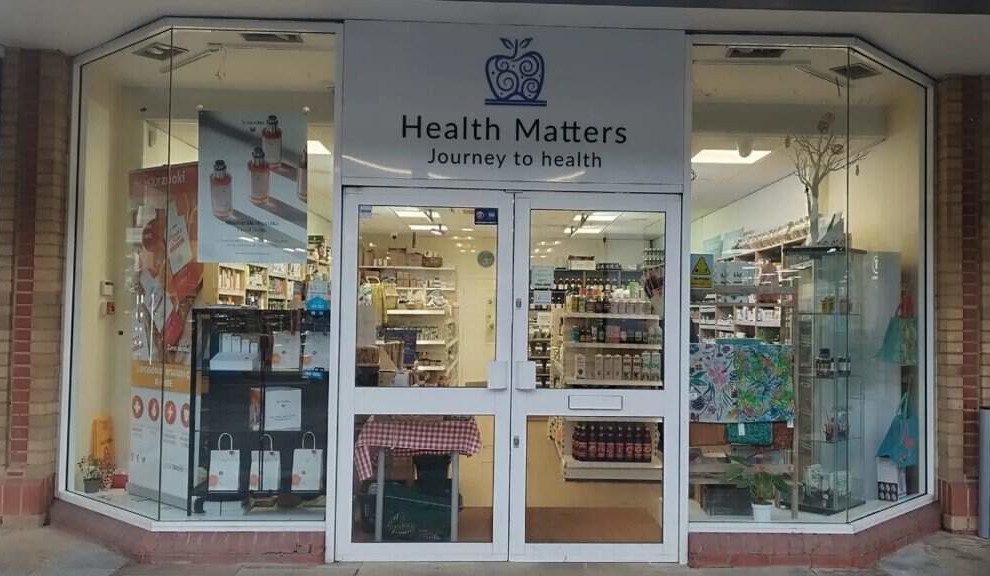
Barnet: Private Microsuction Ear Wax Removal in Barnet En5
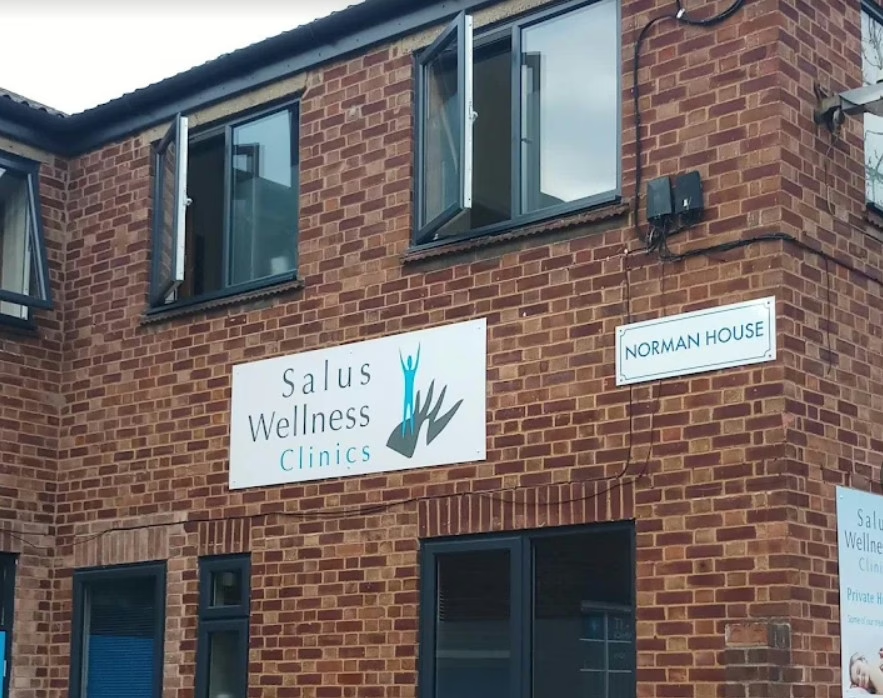
Cambridge: Private Microsuction Ear Wax Removal in Cambridge Cb2

Colindale: Private Microsuction Ear Wax Removal in North West London Nw4
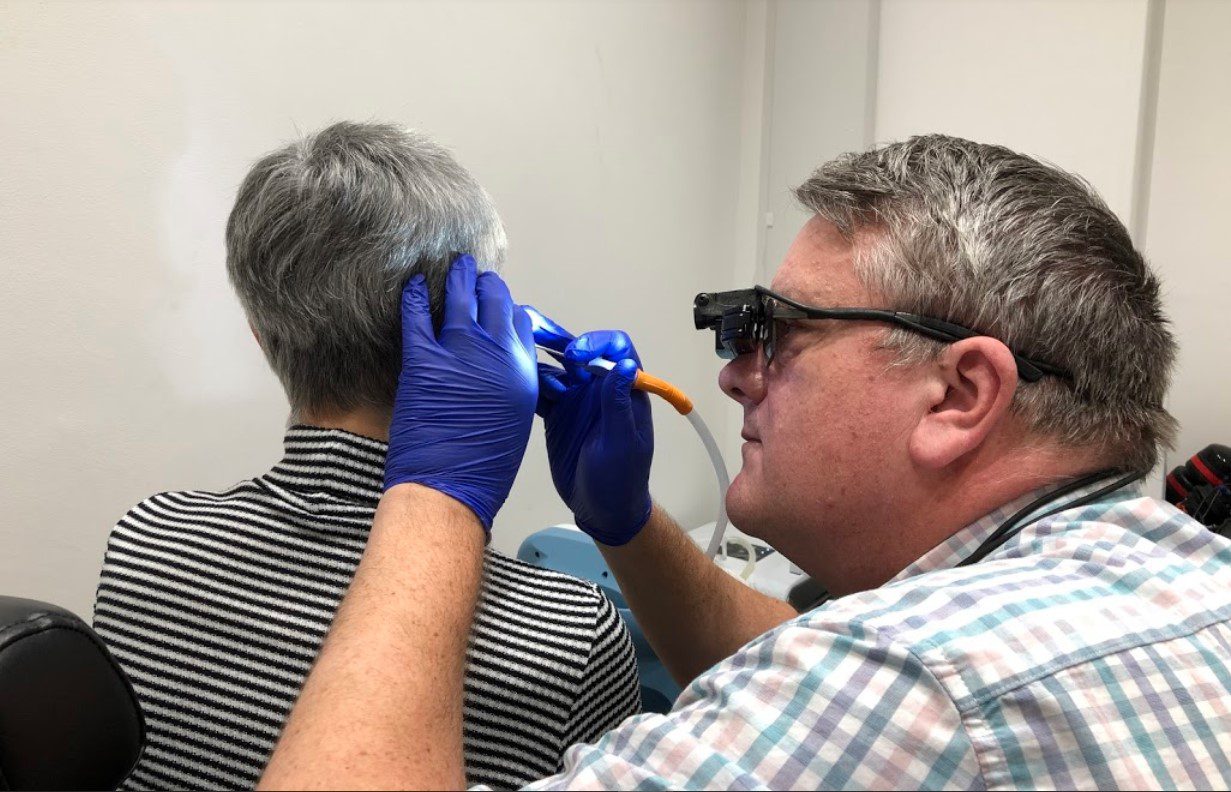
Ealing: Private Microsuction Ear Wax Removal in Ealing W5

East Finchley: Private Microsuction Ear Wax Removal in East Finchley N2
Edgware: Private Microsuction Ear Wax Removal in North London Nw4

Enfield: Private Microsuction Ear Wax Removal in Enfield En1
Finchley: Private Microsuction Ear Wax Removal in Finchley North London
Hastings: Private Microsuction Ear Wax Removal in Hastings Tn34
Hendon: Private Microsuction Ear Wax Removal in North West London Nw4
Hythe: Private Microsuction Ear Wax Removal in Hythe Ct21
Kingston: Private Microsuction Ear Wax Removal in Kingston-Upon-Thames Kt6
Mill Hill: Private Microsuction Ear Wax Removal in North West London Nw4

Milton Keynes: Private Microsuction Ear Wax Removal Mk in Bucks Mk2

Muswell Hill: Private Microsuction Ear Wax Removal in Muswell Hill N2

Oxford: Private Microsuction Ear Wax Removal in Oxford Ox2
Reading: Private Microsuction Ear Wax Removal in Reading Rg30

St Albans – Private Microsuction Ear Wax Removal in St Albans Al1
Surbiton: Private Microsuction Ear Wax Removal in Surbiton Kt6

Watford: Private Microsuction Ear Wax Removal in Watford Wd3

Welwyn Garden City: Private Microsuction Ear Wax Removal in Welwyn Al8
Who This Portal Is Designed For
Patients, Carers and Health-Conscious Readers
This portal is helpful for adults seeking ear wax removal clinics, and for carers arranging an appointment on someone else''s behalf. It can also support people comparing private treatment options because NHS waiting times, local access, or the urgency of symptoms make prompt care more important. Some readers may simply want to understand whether a blocked ear is likely to be wax, while others may already know they need a microsuction appointment. In both situations, the content should guide rather than overwhelm.
The wording on these pages is intended to be calm and practical. That matters because health searches often happen when someone is already worried about hearing changes or ear discomfort. A good portal should therefore avoid dramatic language and instead provide clinical context, patient-safe advice, and local service facts. It should help readers judge suitability, understand access arrangements, and know when to seek more urgent medical review. That is the right balance for a medical advice site serving UK patients.
Common Reasons People Use the Portal
- They need help deciding when a GP or specialist review is more appropriate.
- They have blocked ears and want a private microsuction clinic nearby.
- They want to understand what happens after treatment.
- They need access details before travelling to an appointment.
- They are comparing services for hearing loss caused by earwax.