Wheelchair Access At Hearing First Oxford
This Page Revised on 19:42, 29 Aug 2026
Waxfree Guarantee™: The only ear wax removal clinic in Oxford offering the Waxfree Guarantee™.
We’re the only specialist microsuction ear wax removal clinic in Oxford providing Microsuction Earwax Removal and Manual Instrument Earwax Removal by our expert Audiologists. All of our earwax removal practitioners are hand-picked by our founder, Jason Levy. We really are the ear wax removal experts in Oxford.
Our convenient location in Botley, Oxford, also serves clients in Jericho, Summertown, Wolvercote, Marston, Godstow, Park Town, Wytham, Yarnton, Worton, Elsfield, Beckley, Islip, Hampton Poyle, Kidlington, Eynsham, Stanton Harcourt, Hardwick, Northmoor, Kingston Bagpuize, Gozzard’s Ford, Abingdon, Radley, Littlemore, Cowley, Headington, Thame, Wootton, Kirtlington, Freeland, Cassington, Witney, Ducklington, Aston, Woodstock, Weston-on-the-Green, Charlton-on-Otmore, Horton-cum-Studley, Forest Hill, Wheatley and Sandford-on-Thames.
Wheelchair-Friendly Access at Hearing First Oxford

Published Accessibility Features
- Wheelchair-accessible entrance
Accessibility details are provided by Google Maps. Contact the location to confirm individual requirements.
Visitors who use a wheelchair, mobility scooter, walking frame or stick often need clear, practical information before booking ear care. At Hearing First Oxford, the key access points are the ground-floor setting, the nearby disabled parking bay and the straightforward arrival route from Botley and the A34. These details matter because a smooth journey can reduce stress and help patients focus on their hearing test, microsuction or ear wax removal appointment. For many people, the best experience starts before they enter the clinic, with enough space to park, unload mobility equipment and move at a comfortable pace.
If you are planning a visit for yourself or someone you support, it is sensible to think about transfer distance, kerb height, weather and whether a companion will attend. A wheelchair access plan is not only about the entrance, it also includes parking, turning space and whether the route feels manageable on the day. The clinic environment is designed to support practical access for local patients in Oxford, especially those coming from North Hinksey, Botley and the wider Oxford area.
Step-Free Style Arrival Considerations for Patients
What to Check Before You Travel
Before setting out, it helps to confirm the basic parts of your journey in a practical order. Check the parking arrangement, ask about the easiest point for drop-off and think about how long you may need to transfer from your vehicle to the clinic. Patients using a wheelchair often benefit from a calmer arrival, particularly if they are attending microsuction ear wax removal, a hearing assessment or an advice appointment about digital hearing aids. Knowing the route in advance can reduce uncertainty and avoid unnecessary strain.
Small Adjustments That Can Make a Visit Easier
Allow extra time for traffic on the A34, if you need to unload equipment or if you prefer not to rush. A companion can help with doors, bags and personal items, which is useful for patients who want to conserve energy before treatment. In British weather, wet surfaces and colder temperatures can make moving from the car park to the entrance feel less straightforward, so sensible footwear and a steady pace can help. If you are unsure whether your wheelchair or mobility aid will suit the access route, ask the clinic team in advance so that your visit can be planned with care.
More Information
For more information on our Oxford ear wax removal clinic, please click here.
Hearing First Oxford – Microsuction Ear Wax Removal Ox2 Map
Parking and Set-Down Options Near the Clinic
Parking Options Listed for This Location
- Free car park
- Paid car park
- Free street parking
- Paid street parking
Car Parks Near Hearing First Oxford
- Oxpens, approximately 1.1 miles from Hearing First Oxford. View on Google Maps.
- Motorcycle Parking, approximately 1.2 miles from Hearing First Oxford. View on Google Maps.
- Oatlands Road Car Park, approximately 0.7 miles from Hearing First Oxford. View on Google Maps.
Parking information and place links are provided by Google Maps. Check restrictions and charges locally.
Accessible parking is a central part of wheelchair access, because the shortest route is usually the easiest route. At Hearing First Oxford, the disabled bay directly outside the clinic can be helpful for patients who want to minimise walking distance or who need to arrive in a more controlled way. There is also on-site parking for patients, which gives additional flexibility if the accessible bay is already in use. For people attending ear wax removal, a hearing test or hearing aid fitting, a close parking space can reduce fatigue before the appointment begins.
Set-down arrangements are also worth thinking about. Some visitors prefer to be dropped off before the main parking area so that a companion can park the vehicle afterwards. Others need time to position a wheelchair, collect paperwork and settle their belongings. In either case, a clear arrival plan supports dignity and independence. If you use a larger powered chair, or if you need extra room beside the vehicle, it may be wise to check the practical layout before travelling so that parking feels orderly and safe.
How Must Does Ear Wax Removal in Oxford Cost?
Published Payment Methods
- Credit cards
- Debit cards
- Contactless or NFC payments
Payment information may change. Confirm prices, insurance eligibility and accepted methods directly with the provider. Place attributes are provided by Google Maps.
at peak or off-peak times, Ear wax removal in Oxford starts at £34. Pricing can vary if it is one or two ears, and how far in advance the booking is made.
Ground-Floor Access for Easier Movement
Why a Ground-Floor Setting Matters
The clinic is on the ground floor, which is often an important factor for patients who use a wheelchair or have reduced mobility. Avoiding stairs can make arrival simpler and can reduce the physical effort needed before treatment begins. For people with balance concerns, joint pain or breathlessness, a ground-floor clinic may feel less daunting and more manageable. It also helps carers and family members who may be assisting with the visit, especially when a patient needs support with transfers or personal comfort.
Planning Around Your Own Mobility Needs
A ground-floor setting does not mean every access need is identical, so it is still sensible to think about turning space, doorway width and any assistance you may require on the day. Patients who come for microsuction or manual ear wax removal may appreciate a calm, direct route into the practice, while those attending for a hearing consultation may need time to settle before discussing test results or hearing aid options. If you rely on a wheelchair cushion, transfer board or another aid, bring the equipment you usually need so that you can move through the appointment as comfortably as possible.
Directions to Our Clinic
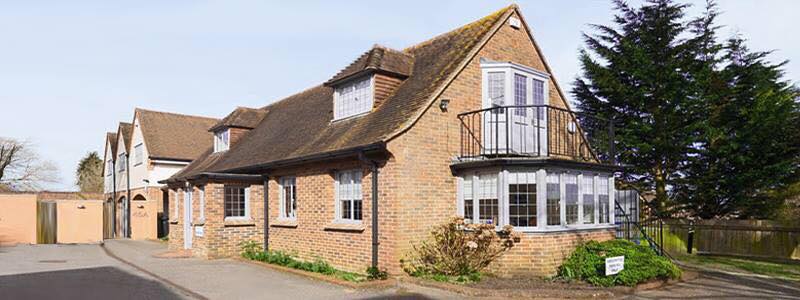
From the A34 Southern By-Pass Road Northbound exit at Westminster Way, follow the road round to the right and then take a left onto Raleigh Park Road. At the top of the road, you will see red-brick posts with bobbles on top on either side of the road for Raleigh Park, continue a little way and then turn right onto a narrow road leading to Raleigh Park Clinic. The customer car park is a gravel area on the right just before the clinic.
From Botley, starting at the Premier Inn Oxford Botley hotel, head south on Westminster Way for about half a mile. Turn right onto Raleigh Park Road. At the top of the road, you will see red-brick posts with bobbles on top on either side of the road for Raleigh Park, continue a little way and then turn right onto a narrow road leading to Raleigh Park Clinic. The customer car park is a gravel area on the right just before the clinic.
Planning Your Journey to Raleigh Park Clinic
Clear journey planning can make an appointment feel more straightforward, particularly for visitors travelling with a wheelchair, walking aid or another mobility requirement. The clinic directions describe approaches from both the A34 Southern By-Pass Road and central Botley, helping patients choose the route that best suits their journey.
When approaching from the northbound A34, leave at Westminster Way, follow the road to the right, then turn left onto Raleigh Park Road. From Botley, the route begins near Premier Inn Oxford Botley and continues south on Westminster Way before the turn onto Raleigh Park Road.
- Continue up Raleigh Park Road until the distinctive red-brick posts marking Raleigh Park come into view.
- Travel a little further and take the right turn onto the narrow road leading towards Raleigh Park Clinic.
- Look for the gravel customer car park on the right immediately before the clinic.
If you would benefit from extra time, it may be helpful to allow for arrival, parking and moving comfortably from the vehicle to the entrance. For reassurance before travelling, contact the clinic to discuss your individual access needs and confirm any practical arrangements.
Driving Directions to Hearing First Oxford
- MediPill Pharmacy Summertown Travel Clinic & Ear Wax Removal to Hearing First Oxford: approximately 5.8 miles and 15 minutes by car. The route typically begins: Head east towards Banbury Rd/A4165; then Turn left onto Banbury Rd/A4165; then At the roundabout, take the 1st exit onto North Way/Sunderland Ave/A40. Open this route in Google Maps.
- The Leys Health Centre to Hearing First Oxford: approximately 5.2 miles and 13 minutes by car. The route typically begins: Head south towards Dunnock Way; then Turn right onto Dunnock Way; then Turn right onto Windale Ave. Open this route in Google Maps.
- KES@Northgate to Hearing First Oxford: approximately 6.2 miles and 21 minutes by car. The route typically begins: Head north-east on Market St towards Covered Market; then Market St turns left and becomes Turl St; then Turn right onto Broad St. Open this route in Google Maps.
- All Saints' Church, Lincoln College Library to Hearing First Oxford: approximately 4.4 miles and 14 minutes by car. The route typically begins: Head west on High St/A420 towards Turl St Continue to follow A420; then Continue onto Abingdon Rd/Folly Brg/A4144 Continue to follow Abingdon Rd/A4144; then Merge onto Kennington Roundabout. Open this route in Google Maps.
- Carfax Tower to Hearing First Oxford: approximately 4.3 miles and 13 minutes by car. The route typically begins: Head south-east on St Aldate's/A420 towards New Inn Yard; then Continue onto Abingdon Rd/Folly Brg/A4144 Continue to follow Abingdon Rd/A4144; then Merge onto Kennington Roundabout. Open this route in Google Maps.
Distances, indicative journey times and route links are provided by Google Maps. Check live conditions before travelling.
Getting to the Clinic from Botley and the A34
The travel route to the clinic is straightforward for many Oxford patients, but it still helps to plan in a way that suits a wheelchair user or anyone with mobility limitations. The directions from the A34 Southern By-Pass Road and from Botley both lead towards Raleigh Park Road and then on to the clinic entrance. This can be useful for sat-nav users, taxi drivers and carers who want a simple route without last-minute turns. Clear directions reduce the chance of missed turns and help visitors arrive with less pressure.
When you are travelling for an ear care appointment, especially if hearing loss or blocked wax has made communication harder, it can be reassuring to keep the journey uncomplicated. A direct approach means less time spent navigating unfamiliar roads and more time focused on getting the treatment you need. If you travel with a blue badge, wheelchair taxi or family driver, it can help to brief them on the road layout before setting off. That way, arrival and parking feel more predictable, which is often important for patients who value a calm start.
Disabled Parking
There is one disabled bay directly outside the clinic.
Disabled Parking Close to the Clinic
A designated disabled parking bay is available directly outside the clinic. This close-positioned space can be especially useful for patients who have limited mobility, use a wheelchair or need to minimise the distance travelled between their vehicle and the appointment location.
Having accessible parking near the entrance supports a more comfortable arrival and can reduce the effort involved in attending an ear care appointment. It also offers a practical option for a companion, family member or carer who may be assisting a patient on the day.
- The disabled bay is situated directly outside the clinic.
- Patients can consider this option when planning accessible transport and drop-off arrangements.
- It is sensible to leave sufficient time for a calm, unhurried arrival.
Access requirements can differ from person to person. If you need to check suitability for a particular wheelchair, mobility aid or assistance arrangement, contact the clinic before booking or travelling so that you can plan your visit with confidence.
Support for Wheelchair Users During Ear Care Appointments
How the Clinic Visit Can Be Made More Comfortable
Wheelchair access is not just about moving through a building, it is also about how the appointment feels once you arrive. Patients attending microsuction ear wax removal or hearing tests may need time to transfer into a suitable position, and that should be handled in a way that respects comfort and safety. Clear communication, unhurried pacing and a calm clinical environment all matter, particularly when a patient is already managing discomfort, tinnitus or reduced hearing.
Helpful Practical Points for Carers and Companions
A companion can be useful for opening doors, carrying items and helping with any paperwork. For some patients, the most important support is simply having enough time to settle before treatment starts. If you use a wheelchair and need assistance with seating or changing position, tell the clinic team what helps you most. That might include leaving more space beside the chair, explaining transfer preferences or ensuring that hearing aid advice is delivered face to face at a comfortable pace. Good access should feel personal, not rushed, and should support both dignity and clinical safety.
Services We Offer Are:
- Microsuction Ear Wax Removal
- Manual Instrument Ear Wax Removal
- Under 18 Microsuction Ear Wax Removal: We provide microsuction ear wax removal for age 12-17 when accompanied by a parent or guardian.
- Hearing Tests: We can test your hearing and explain the meaning of your test results – We are not part-owned by a hearing aid manufacturer, so unlike some High Street chains, we won’t offer you a “free” hearing test and then push you to buy hearing aids.
- Impartial Hearing Aid Advice, Fitting and Aftercare: If you want friendly, impartial advice, we are an independent company that is not part-owned by a hearing aid manufacturer, so we can advise you on which model will be the most appropriate, given your unique lifestyle requirements. We supply and fit all the latest digital invisible, rechargeable, bluetooth and iPhone-compatible hearing aids.
Hearing First Oxford
Located within Raleigh Park Clinic,
URL: https://www.hearingfirst.co.uk/book-ear-wax-removal-near-me/book-microsuction-ear-wax-removal-oxford/
Professional ear wax removal Oxford Audiologists. Conveniently located just off the A34 in the North Hinksey area of Botley, with free on-site parking. We are the only ear wax removal clinic in Oxford that offers The Hearing First Waxfree Guarantee™ , so if you have a blocked ear, book an appointment at our ear wax removal Oxford clinic. We really are the ear wax removal experts in Oxford!
What to Bring for a Smoother Visit
Items That Can Help on the Day
A prepared patient often has an easier appointment. If you use a wheelchair, consider bringing any cushions, gloves, chargers or transfer aids you normally rely on. Patients attending microsuction may also want a list of current ear symptoms, recent infections or concerns about hearing changes. For hearing tests and hearing aid advice, previous records or notes about daily listening situations can be useful. A small amount of preparation can save time and help the clinician understand your needs quickly.
- Bring any mobility equipment you regularly use, including a cushion or charger for a powered chair.
- Carry a note of any ear pain, dizziness, tinnitus or recent treatment that may affect the appointment.
- Wear clothing and footwear that make transfers and short movements easier.
- Ask a companion to keep essential items close, such as keys, payment methods and appointment details.
- Allow extra time so that you can arrive without feeling rushed or flustered.
These practical steps are simple, but they can make a real difference to comfort and confidence, especially when the appointment involves ear wax removal or a hearing aid fitting.
Microsuction Vs. Ear Syringing
tinnitus, further impaction of the ear wax, Many people in Oxford are finding that their local GP surgery no longer offers ear syringing. No doubt this is partly due to a lack of funding, but also because ear syringing is inherently less safe than ear micro suction. Possible side effects of ear syringing or irrigation are ear infection, hearing loss, and perforation of the ear drum(i.e. the ear wax gets pushed even harder against the ear drum). Is it any wonder that people are going off walk in ear syringing in Oxford and are seeking out microsuction ear wax removal instead? Unfortunately, the sharp rise in demand has meant that NHS micro suction clinics are now unable to meet the need and waiting times are often over two to three months.
You no longer need to wait months for micro suction. Why not save time by going private? It’s not as expensive as you think. Simply head to our booking page and you could be saying goodbye to your wax blockage this week!
23 Interesting Facts About Oxford
- Oxford Castle: Oxford Castle was begun soon after the Norman Conquest by Robert d'Oyly, and its earth mound and St George's Tower remain prominent survivals.
- Carfax Tower: Carfax Tower is the surviving 23-metre tower of the medieval church of St Martin, demolished in the 1890s to ease congestion at Oxford's central crossroads.
- Ashmolean Museum: Founded in 1683 after Elias Ashmole gave his collection to the University, the Ashmolean is widely regarded as Britain's first public museum.
- Pitt Rivers Museum: The Pitt Rivers Museum was established in 1884 around General Augustus Pitt Rivers's archaeological and ethnographic collection, arranged chiefly by object type rather than place of origin.
- Huxley-Wilberforce Debate: The University Museum of Natural History was the venue for the famous 1860 debate on evolution involving Thomas Henry Huxley and Bishop Samuel Wilberforce.
- Oxford Botanic Garden: Founded in 1621 as a garden for growing medicinal plants, the Oxford Botanic Garden is the oldest botanic garden in Britain.
- Oldest University in the English-Speaking World
The University of Oxford was established in the 12th century and is the oldest university in the English-speaking world. - The Bridge of Sighs Curse
Students believe that walking under Hertford Bridge before exams brings bad luck — many cross the street to avoid it. - Ear Wax Removal In Oxford
Ear wax removal is available from the experts at Hearing First Oxford on Tuesdays at Raleigh Park Clinic in North Hinksey, Botley OX2 – easily accessible from the A34 Northbound or Premier Inn Oxford Botley with plenty of free onsite parking. Click here to book now. - City of Spires
Oxford’s skyline is famously dotted with church towers and college spires, inspiring the nickname “The City of Dreaming Spires”. - Shark on the Roof
A life-size fibreglass shark crashes through the roof of a house in Headington — installed in 1986 as a protest against war and censorship. - Oxford University Press
OUP is the largest university press in the world and has been publishing scholarly works since 1586. - The Ghost of the Sheldonian
Staff at the Sheldonian Theatre report hearing footsteps and creaking floorboards late at night, attributed to a spectral former caretaker. - Punting on the Cherwell
One of Oxford’s most iconic leisure activities, punting involves propelling a flat-bottomed boat along the river using a pole. - The Gargoyle That Sticks Its Tongue Out
On New College Lane, one gargoyle is pulling a face and sticking its tongue out — allegedly aimed at a rival college. - The Bodleian Library
One of the oldest libraries in Europe, the Bodleian has over 13 million printed items and receives a copy of every book published in the UK. - The Underground Narnia Door
Near St Mary’s Passage, there’s a small wooden door said to have inspired the magical wardrobe in C.S. Lewis’s Narnia series. - Radcliffe Camera
This iconic circular library building is one of Oxford’s most photographed landmarks and part of the Bodleian Library system. - The Morse Effect
After years of the TV show Inspector Morse, tourists frequently visit Oxford pubs just to sit where the fictional detective drank. - Blackwell’s Bookshop
Founded in 1879, Blackwell’s is home to the Norrington Room — one of the largest rooms of books in the world, located underground. - Oxford’s Miniature Forest
A micro-forest has been planted in Florence Park using the Miyawaki method to boost biodiversity in urban areas. - The Divinity School Ceiling
The intricate fan-vaulted ceiling of the Divinity School took three years to carve and features over 400 bosses.
The Cat That Earned a Degree
In the 1920s, a cat named Simpkins
Comfort, Privacy and Patient Dignity
Good wheelchair access should go hand in hand with privacy and respect. Many patients feel more relaxed when the route into the clinic is simple, the waiting time is manageable and the appointment begins without unnecessary fuss. This is particularly relevant for people who may already feel vulnerable because of hearing loss, wax blockage or the need to discuss hearing aid options. A respectful setting helps patients ask questions more freely and make decisions with confidence.
Privacy matters for wheelchair users too, because some people need extra space during transfer, explanation or examination. The best clinical experience is one where access and dignity are treated as part of the same standard of care. When the practical details are organised properly, patients can focus on their ears, their hearing and the outcome they want, rather than worrying about how to get in or out of the building. That kind of reassurance is valuable for anyone attending a specialist audiology clinic in Oxford.
Disabled Access
This clinic is located on the ground floor.
Ground Floor Clinic Access
The clinic is located on the ground floor, an important consideration for visitors seeking step-free-style convenience and simpler access from arrival through to their appointment. A ground-floor setting may make a visit easier for people using wheelchairs, walking frames or other mobility equipment.
For patients managing reduced mobility, avoiding stairs can make the journey into the clinic feel more manageable. Combined with the disabled parking bay directly outside, the ground-floor location provides useful information for planning an accessible visit to Hearing First Oxford.
- Ground-floor access may be helpful for wheelchair users and visitors with mobility limitations.
- Consider bringing any essential mobility aid that supports your comfort and independence.
- A companion or carer may attend where this is appropriate for your needs.
Every visitor's requirements are different, so it is worth confirming entrance access and any assistance you may need in advance. Sharing your needs ahead of time can help you arrive prepared and focus on your ear wax removal or hearing care appointment.
Access Guidance for Companions and Carers
Helping Without Taking Over
Many wheelchair users attend with a family member, friend or paid carer, and that support can be very helpful. The best assistance is usually practical and calm, such as managing doors, carrying personal items or helping with parking while the patient stays focused on the appointment. For someone attending ear wax removal or a hearing test, it can also help if the companion listens to the advice given so that the patient has support after they leave.
Useful Habits for a Smoother Appointment
Carers should try to give the patient space to speak first, unless help is clearly needed. That approach supports independence and makes the appointment feel more person-centred. If the patient uses a wheelchair and needs a particular position before treatment, mention this early so the clinic team can respond properly. Companions can also help with collecting notes, checking parking time and making sure the journey home is comfortable. Small acts of support are often the most valuable, especially when the patient is coping with hearing difficulty or anxiety about a procedure.
Safe, Comfortable Ear Wax Removal with an Audiologist in Your Local Area
their care and Your ears and hearing are delicate should be in expert hands. Some providers delegate ear wax removal to lay people, viewing it as a routine procedure. However, we believe it requires the skill and expertise of a trained Audiologist.
only qualified Audiologists perform ear wax removal, At our clinic, ensuring that your ears are cared for by a specialist with in-depth knowledge of ear anatomy and physiology. This minimises the risk of injury and ensures a safe, we, and effective procedure tailored to your needs. Your hearing is too important to leave to chance are committed to providing the highest standard of care.
Why Access Matters for Hearing Health Appointments
Accessible clinics are important because hearing care should be easy to reach for everyone, including people with mobility needs. When wheelchair access is clear, patients are more likely to attend appointments promptly, get ear wax removal when it is needed and keep up with hearing checks. This matters because untreated wax can affect hearing, understanding speech and the comfort of hearing aids. A clinic that makes practical access easier can support better outcomes by removing barriers before they become delays.
In Oxford, patients often balance travel, work and family commitments, so reliable access is part of good healthcare. If the parking, entrance and route are straightforward, the whole experience tends to feel more manageable. That can encourage people to seek help sooner, which is important for hearing health and everyday communication. Whether the appointment is for microsuction, a hearing consultation or hearing aid aftercare, accessible design supports both convenience and clinical quality.
Parking
There is ample on-site parking for patients at the clinic.
Questions to Ask Before Your Visit
Practical Queries That Can Prevent Problems
If you are unsure about wheelchair access, it is sensible to ask a few direct questions before you travel. You might want to confirm the disabled parking bay, the easiest way to enter the clinic, or whether there is enough room for your particular wheelchair model. Patients who use larger chairs or who transfer with assistance often benefit from checking the details in advance, because even small differences can affect comfort and confidence.
Examples of Helpful Access Questions
Ask whether a companion can stay with you during the appointment, whether there is space to manoeuvre near reception and whether any part of the visit involves standing or stepping. If you are attending for ear wax removal, you may also want to mention any neck or back pain that could affect how long you can sit still. A good clinic team will understand that access is personal and will aim to make sensible adjustments where possible. Clear questions often lead to a better visit and less anxiety on the day.
Nearby Bus Stops and Public Transport
Nearest Bus Stops to Hearing First Oxford
- Raleigh Park Road, approximately 0.1 miles from Hearing First Oxford. View this bus stop on Google Maps. Walking directions from Raleigh Park Road to Hearing First Oxford.
- Laburnum Road Shops, approximately 0.2 miles from Hearing First Oxford. View this bus stop on Google Maps. Walking directions from Laburnum Road Shops to Hearing First Oxford.
- Lime Road, approximately 0.2 miles from Hearing First Oxford. View this bus stop on Google Maps. Walking directions from Lime Road to Hearing First Oxford.
- Yarnells Hill, approximately 0.2 miles from Hearing First Oxford. View this bus stop on Google Maps. Walking directions from Yarnells Hill to Hearing First Oxford.
- Harcourt Hill Campus, approximately 0.3 miles from Hearing First Oxford. View this bus stop on Google Maps. Walking directions from Harcourt Hill Campus to Hearing First Oxford.
- Cedar Road, approximately 0.3 miles from Hearing First Oxford. View this bus stop on Google Maps. Walking directions from Cedar Road to Hearing First Oxford.
Nearest Rail, Tube and Tram Stations to Hearing First Oxford
- Oxford, approximately 1.1 miles from Hearing First Oxford. View this station on Google Maps. Walking directions from Oxford to Hearing First Oxford.
- Oxford Parkway, approximately 4.1 miles from Hearing First Oxford. View this station on Google Maps. Walking directions from Oxford Parkway to Hearing First Oxford.
- Radley, approximately 4.6 miles from Hearing First Oxford. View this station on Google Maps. Walking directions from Radley to Hearing First Oxford.
Stops and stations are ordered by straight-line distance from the destination using Google Places coordinates. Place and walking-direction links are provided by Google Maps.